You’re likely not inherently lazy, lacking discipline, or short on willpower. The real issue is probably chronic overstimulation from modern life, which has hijacked your brain’s natural drive.
Picture a typical free Saturday in the life of so many young people (and increasingly, adults too): waking up with no obligations, no schedule—just wide-open hours stretching ahead, the rare luxury of unstructured time that previous generations might have envied. The day holds endless possibilities—heading to the gym, losing yourself in a great book, calling friends for something real and memorable.
Yet, in moments like these, the phone often wins before anything else even gets a chance. A quick check turns into hours of autopilot scrolling, notifications pulling attention one after another. By evening, the same spot on the bed or couch remains occupied: head foggy, energy depleted, and that familiar wave of regret crashing in over a day that slipped away unnoticed. The cruelest part? Awareness doesn’t stop it. People know exactly what’s happening in real time, yet the pull feels irresistible.
This isn’t isolated laziness or a lack of discipline—it’s a widespread modern phenomenon driven by instant, low-effort dopamine hits from apps, feeds, and endless content streams. These surges don’t storm in and steal motivation outright; they subtly rewire the brain over time. Boredom starts feeling unbearable, sustained effort seems overwhelming, and even ordinary quiet begins to feel awkward or empty.
Recent data paints the scale: globally, people average about 2 hours and 21 minutes per day on social media alone (per 2025 reports from DataReportal and similar trackers), adding up to roughly 32 days per year lost to fragmented attention. That’s time that could build skills, relationships, or personal growth instead drained into passive consumption.
The good news: you can escape this cycle. What follows is the full reset protocol I’ve used personally to reclaim energy, sharpen focus, and rediscover real satisfaction in life.
Dopamine itself is not Bad…
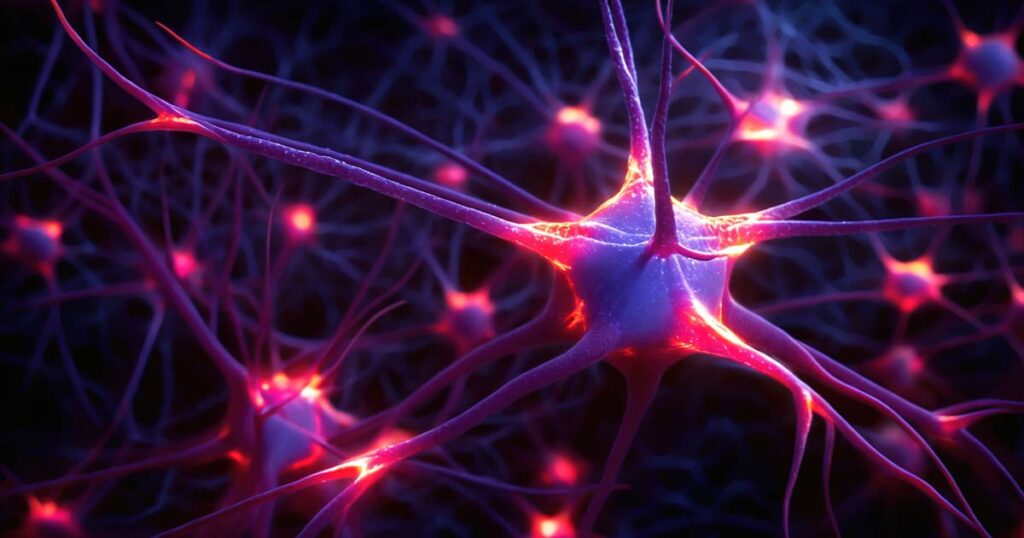
Before diving into the steps, let’s clarify the core issue—it’s not about dopamine being “bad.” Dopamine drives desire and anticipation more than pure pleasure. It surges when you anticipate a reward (like the next scroll or notification), keeping you chasing rather than truly satisfied. That’s why hours on apps can leave you hollow—you’re perpetually teased, never fulfilled.
Experts explain that pleasure spikes are naturally balanced by an equal (or greater) dip in well-being as your brain restores equilibrium. Flood it with artificial highs from endless feeds, games, or junk content, and receptors downregulate—you end up needing more to feel anything at all. Over time, your everyday baseline dopamine drops, leading to persistent low motivation, fatigue even after sleep, and that “already tired” feeling upon waking.
In today’s world, this trap is amplified by four major culprits that deliver unpredictable, variable rewards (the same hook that makes slot machines addictive):
- Constant digital feeds (social media, streaming, gaming, endless videos)
- Uncontrolled high-stimulation habits (adult content, swipe-based apps)
- Quick-hit consumables (alcohol, sugary/processed foods, casual substances)
- Impulse thrills (betting, random shopping sprees, aimless adrenaline rushes)
These create a cycle of cheap rewards that shape who you become. As habits expert James Clear notes, every small action is a vote for the identity you’re building. Choosing instant gratification over effort trains you to avoid discomfort and chase distractions, slowly eroding your capacity for meaningful pursuits.
The Scale of the Overstimulation Crisis

Global social media usage remains massive, with 5.66 billion active user identities worldwide as of late 2025—equivalent to about 68.7% of the planet’s population (DataReportal Digital 2026 Global Overview). That’s an increase of roughly 259 million users over the previous year, or an average of nearly 1 million new users per day.
Daily time spent on social media averages 2 hours and 21 minutes (141 minutes) per user in 2025, according to multiple sources including DataReportal and Statista reports. This marks a slight dip from 143 minutes in 2024 and higher peaks in prior years (e.g., 151 minutes in 2023), but it still equates to about 15 hours per week or roughly 32 days per year per person lost to scrolling, notifications, and feeds. When including video-heavy platforms like YouTube and TikTok, total daily social + video consumption often exceeds 2.5 hours for many online adults.
Younger demographics face even heavier exposure: Gen Z users (especially 16–24) average significantly more—up to 3–4 hours daily in some breakdowns, with women in that age group hitting over 3 hours and 40 minutes per day on social and video feeds (GWI data referenced in 2026 reports). Platforms like TikTok lead in per-user engagement time, often 50+ minutes daily for active users.
The neurological and behavioral toll is well-documented in recent studies:
- Constant variable rewards (likes, comments, endless scrolls) trigger repeated dopamine surges in the brain’s reward pathways—similar to mechanisms in substance addictions—leading to desensitization of receptors over time and a “dopamine deficit state” where baseline motivation and pleasure drop (insights from neurobiological reviews and experts like those at Stanford Medicine).
- Excessive use correlates with reduced attention spans, fragmented focus, lower productivity, increased anxiety/depression symptoms (especially in adolescents spending 3+ hours daily), and disrupted executive functions like planning and impulse control (2025 studies on digital overstimulation and “brain rot”).
- Broader effects include emotional desensitization, higher stress from chronic stimulation, and diminished capacity for delayed gratification—contributing to cycles of compulsive checking and regret over wasted time.
These figures highlight why so many feel trapped: the average person collectively spends billions of hours daily in these loops (e.g., the world logs ~11.5 billion hours on social platforms each day in aggregated estimates). The subtle rewiring—making boredom intolerable and deep effort feel unrewarding—isn’t hypothetical; it’s backed by the sheer volume and design of modern digital habits.
What Neuroscientists Say About Dopamine and Overstimulation

Neuroscientist Andrew Huberman emphasizes that dopamine isn’t primarily a “pleasure chemical”—it’s the driver of motivation, craving, and pursuit. In his explanations, he describes how the brain maintains a baseline level of dopamine that sets our everyday drive: “The level of dopamine is the primary determinant of how motivated we are, how excited we are, how outward facing we are and how willing we are to lean into life.”
He explains the peaks-and-troughs dynamic clearly: “Your experience of life and your level of motivation and drive depends on how much dopamine you have relative to your recent experience.” When we chase repeated highs from low-effort sources, the system shifts: “These peaks in dopamine… your baseline level of dopamine drops.” Over time, this makes normal activities feel flat or unrewarding—effort seems harder, boredom intolerable.
Huberman warns specifically about modern habits like endless scrolling: “If you’re on social media and you’re scrolling and you don’t even know why you’re scrolling… your dopamine system has been tapped out and you need to take a break from it.” He notes that variable rewards (notifications, likes, new content) keep the brain in constant anticipation, but “when our dopamine peaks, there will be a dopamine trough that follows.” Repeated chasing leads to smaller peaks from the same stimulus and longer troughs: “The diabolical thing about the dopamine system is that the peaks get smaller from the same behavior and post-peak troughs get longer when we chase the same peak-stimulus too soon.”
Protecting baseline dopamine is key to sustained motivation. Huberman advises against layering too many quick hits (e.g., caffeine + music + notifications during workouts), as it drops the baseline and requires more conditions to feel good again. Instead, he recommends allowing natural troughs to reset: wait, avoid excess indulgence, and let baseline return—often through effort-based activities or simple practices like non-sleep deep rest (which can boost baseline dopamine significantly in brain areas tied to action).
This aligns with psychiatrist Anna Lembke’s framework in Dopamine Nation: every big pleasure spike is followed by an equal (or greater) pain dip as the brain restores balance. Flooding the system with artificial highs downregulates receptors, raising the threshold for satisfaction and making everyday life feel emptier. The takeaway from both: overindulgence in cheap, instant rewards isn’t just distracting—it’s biologically rewiring motivation downward.
These concepts explain why so many feel trapped despite awareness: the brain’s reward circuitry is being optimized for pursuit of the next hit, not for deep, sustained drive. Resetting involves mindful reduction of peaks to protect and elevate the baseline.
The Key Mindset Shift

Think of your brain like a muscle at the gym. If you’ve spent years “training” it to seek quick hits the moment boredom creeps in, it’s become exceptionally efficient at that. The aim isn’t to erase dopamine (impossible and undesirable—it’s essential for motivation and survival). It’s to retrain sources: shift rewards from cheap, fleeting ones to sustainable, effort-based ones.
Soon enough, reading a book can rival scrolling in satisfaction. A solid walk can feel as engaging as gaming. Focused work can become inherently rewarding. It takes time, but the reset makes “right” things feel good naturally. Effort starts feeling energizing, not punishing—success becomes effortless because your system is aligned.
The Full Dopamine Reset Protocol
Phase 1: Get Ready and Commit
Start with brutal honesty about your trajectory. Imagine sticking to your current habits for the next five years—no changes, same routines, same wasted hours. Where does that version of you end up? Write it out vividly: the stalled goals, faded relationships, lingering regret. Let that discomfort fuel you.
Then commit to a clean break from the high-triggers—no exceptions:
- Zero social media
- No streaming or binge-watching
- No video games
- No porn or adult content
- No alcohol
- No junk/processed foods
- No gambling or impulsive purchases
- No gossip, doomscrolling news, or mindless podcasts
Pick a realistic window: 7–30 days to start. Many find success with repeating short cycles (e.g., 3 days every few weeks), gradually extending as tolerance builds—perhaps ramping up after a couple of months.
Phase 2: Daily Execution
Replace the void with intentional, grounding activities—do them religiously:
- Deep Self-Reflection (at least 60 minutes) — Journal thoughts, meditate, list gratitudes—do this first thing, before any screen tempts you. Those who claim no time for it usually need it most.
- Physical Movement (at least 90 minutes) — Walk, lift weights, run, or stretch. Steady activity delivers healthy, sustained dopamine without crashes. A simple 15-minute stretch routine can dramatically cut stress and boost mood.
- Real Human Connection — Have at least one genuine conversation daily—call a friend or family member, talk face-to-face. Authentic interaction floods you with dopamine, oxytocin, and serotonin in balanced ways no online comment ever matches.
Core principle: Delay gratification. Push high-stimulation rewards later in the day. Tackle the tough stuff first (“eat the frog”), use early boredom as creative fuel, and train yourself to lean into discomfort rather than escape it.
The toughest part often hits mid-afternoon, when autopilot urges kick in before you even register them. That’s the rewiring in action. Embrace boredom—it’s not emptiness; it’s the gateway to breakthroughs. History’s biggest ideas and creative sparks emerge from sitting in silence long enough.
Phase 3: Rebuild and Sustain
The endgame: make productive, meaningful activities feel naturally rewarding again. Embrace positive stress to grow stronger—think Nassim Taleb’s idea of antifragility: some systems don’t just survive pressure; they thrive under it. Post-reset, you’re not fragile or merely resilient—you’re antifragile, built better by the challenge.
Before reintroducing anything, filter it rigorously:
- Does this align with what truly matters to me?
- Does it support the person I’m becoming?
- Is it in line with my core values?
One ironclad rule moving forward: cap recreational social media at 30 minutes max per day. Get in for real value, then exit—no lingering in the noise.
The Transformation That Follows

After your first serious reset, shifts will happen that you never anticipated. Energy returned in waves. Mental clarity sharpened like never before. Tasks you’ve procrastinated on—training, reading, writing, projects—suddenly get done, and the work feels enjoyable. Creativity flows; You form independent views instead of echoing content. It feels like unlocking a limitless version of yourself.
Your identity evolves from what you do repeatedly. It’s a good idea to do a full 7–14 day reset quarterly to stay sharp—the world never stops pushing cheap hits, so regular maintenance keeps the system clean.
Under layers of scrolling, gaming, and endless tabs lies the version of you who’s energized on waking, dives into meaningful work, reads deeply, builds real connections, and pursues something bigger. That person is real. They’re just buried under overstimulation.